 |
| Image Source: commons.wikimedia.org |
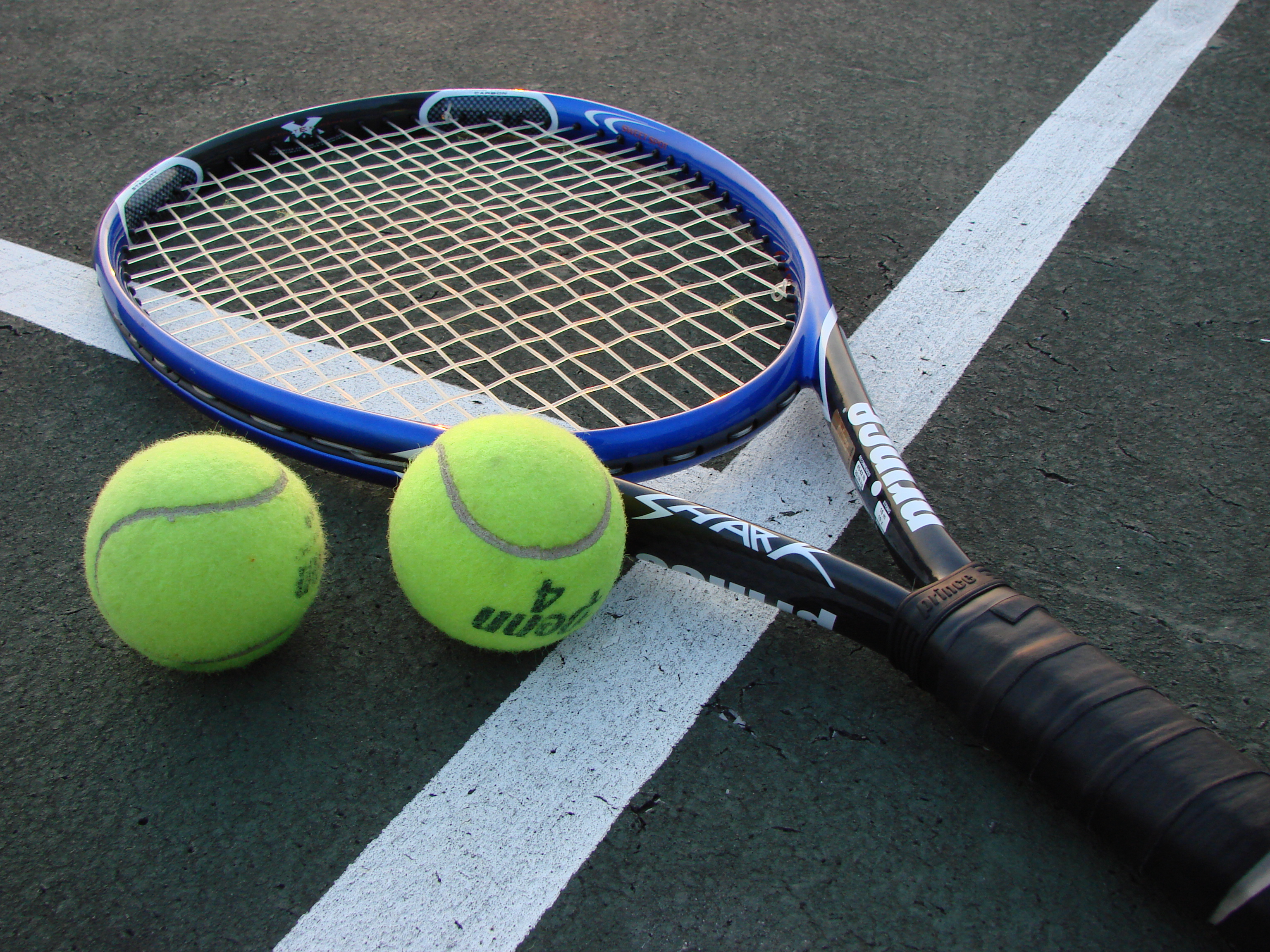
Most amateurs believe that choosing a tennis racquet is no more than picking one up at an athletic equipment store. This is acceptable only if you’ve never played a match in your life. However, for professionals and club mainstays, there’s a laboratory precision to it.
There are three things to consider when choosing the right tennis racquet: head size, length, weight/balance, frame stiffness, string pattern, and grip systems.
 |
| Image Source: telegraph.co.uk |
Racquets with wider heads naturally offer a larger hitting area and more chances of hitting the sweet spot (the center part that comes in contact with the ball). A racquet’s length determines reach and also provides additional serving leverage. Its weight and balance influence that “feel,” which is adapted to individual players’ skills and preference. Lighter racquets are for rapid grip changes and shot variety, while heavier ones are instrumental in plowing power strokes.
Frame stiffness also affects a racquet’s power potential, with stiffer racquets providing more power at the expense of ball control and vice versa. String patterns (density), on the other hand, are often overlooked by recreational tennis players, despite their direct importance to an important component of a winning game: spin.
Choosing a tennis racquet is preceded by a determination of your type of play. Partisans of positional tennis grab light, finely strung racquets that suit the range of their shots. The power hitters stock up on burly, heavy duty racquets loaded with the weight that barrels the follow-through. If you have been neither working out nor looking like Rafael Nadal or Serena Williams, a lighter racquet is your best bet.
 |
| Image Source: hongkongtennisacademy.com |
I’m Tom Phanco and tennis is one of my greatest joys. Visit this Twitter page for more links and articles about the sport.


No comments:
Post a Comment